-

 Rapid, Automated and Remote Microbial Testing for Water and Food Safety Colifast ALARM™ is an electronic instrument for detecting indicator bacteria in drinking water using patented Colifast technology. 100 ml water samples are automatically collected at programmed intervals and analyzed for total coliforms, thermotolerant coliform bacteria or E. coli. In addition to performing rapid, online microbial water analysis, Colifast ALARM measures water turbidity. The system can automatically send results to control rooms / operators via LAN, digital signals or via mobile networks (SMS). The system can detect down to 1 cfu / 100 mL, and results are achieved within 6-14 / 15 hours. Technology The main components of Colifast ALARM are the incubator chamber, an injection pump system for fluid handling, and a detector system that includes wavelength-specific emitters combined with a spectrometer. Detection of down to 1 viable target bacteria is based on bacterial growth, group-specific enzyme activity and measured concentrations of a fluorescent product (ppb MU). An increase in the number of target bacteria means an increase in the amount of β-D-glucuronidase (E. coli-specific enzyme). The enzyme hydrolyses the growth medium substrate to MU (the fluorescent product) and β-D-glucuronic acid. Increased MU release gives increased fluorescence signal on the Colifast ALARM. Colifast growth medium contains inhibitors to prevent growth of non-coliforms. Colifast ALARM is verified by EPA's ETV program.
 -
 The Colifast At-Line Monitor – CALM is a fully automated early warning system for monitoring of coliforms and Pseudomonas aeruginosa in water. Detection time ranges from 2 to 12 hours. The technology is time-saving, cost-reducing, and environmentally friendly. Examples of CALM applications are monitoring of raw water, in-process water, waste water and recreational water. No laboratory facilities and minimal skills in microbiology are required to operate the instrument. The Colifast CALM is easily connected to the system computer or LAN interface. The patented Colifast growth media are supplied in Pre-filled Multi Well Trays™ and the flexibility of the system makes it easy to adapt to different applications. The CALM can perform parallel analysis of different target organisms. Depending on method and test frequency, the CALM needs monthly or weekly refilling of reagents. Technology The CALM instrument detects and quantifies E. coli, fecal or total coliform bacteria in water by fluorometric monitoring of β-glucuronidase activity (E. coli) or β-galactosidase activity (fecal and total coliforms). The detection of P. aeruginosa is based on substrate hydrolysis of aminopeptidase enzymes present in this bacterium. The Colifast technology is comprised of unique media formulations combined with instrument detection systems. The technology is covered by patents in numerous countries, with several international patents pending. Growth of other bacteria is stopped by inhibitors in the medium and by incubation of the samples at high temperature: Incubator temperatures for selection of thermotolerant coliform bacteria are 44 ° C and total coliforms / E. coli are 37 ° C. Method The instrument can perform one of two methods at a time. The Most Probable Number (MPN) method is based on the cultivation of bacteria. A certain volume is added to 4-6 wells of growth medium and the bacterial number is determined from how many of the wells that gave growth after the incubation period (11-12 hours). For the results to be as accurate as possible, it is therefore important that the samples taken on a given source usually give a mixture of positive and negative results. The rapid method is also a quantitative method, which is based on the enzyme activity of the bacteria present in the water sample. It provides response after 75-115 min and is suitable for water sources where major contamination events can occur. The CALM is a flexible instrument. This means that the instrument can be adapted to different locations with different occurrence of bacteria. If a source has an average bacterial count of 500 cfu / 100ml, 0.2 ml will usually give a positive test. By injecting about half of this volume, you will often get both positive and negative samples. If the source has lower concentrations of bacteria, the media concentration can be changed so that the sample volume can be as high as 10 ml. In this way, we ensure good results from the CALM instrument with optimal concentration of media after addition of sample and a sample volume appropriate for the source being measured.
 -
 Colifast Field Kit is a portable tool for field detection of coliform bacteria in water. The main method of the kit is a rapid method that provides an answer as early as 15 minutes, 2 hours at the latest. In addition, the kit includes methods for a quantitative MPN (Most Probable Number) method and presence/absence results. The procedure is very easy to perform, and requires no laboratory skills. Colifast Field Kit is delivered in a robust and portable metal case, and all equipment required for the water analysis is included. The Colifast Micro Detector (CMD) is used in combination with a growth medium for specific detection of target bacteria. Combined, they provide a simple instrumental analysis and rapid results that quantify the amount of coliform and thermotolerant bacteria in water. The method is based upon the patented technology of Colifast AS. The system detects down to 1 target bacterium per sample volume. Method The Colifast technology is based on a chemical reaction between a substrate in the growth medium and enzymes produced by the coliform bacteria. The bacterial enzyme β-D-galactosidase hydrolyses the substrate 4-methylumbelliferyl-β-D-galactoside, which results in the release of the fluorescent product 4-methylumbelliferone (MU). In addition to substrate, activators and growth factors, the medium comprises inhibitors that prevent the growth of non-coliform bacteria. The results are measured in fluorescent units. An increase in the number of bacteria corresponds to an increased amount of β-D-galactosidase (enzyme). The subsequent increase in the amount of MU (fluorescent product) results in a higher value on the instrument (Colifast Micro Detector). The incubation temperature selects for thermotolerant coliforms at 44 °C and total coliforms at 37 °C.
 -

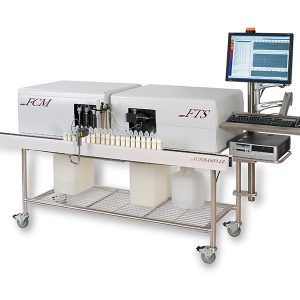 Rapid & accurate determination of Somatic Cells and Chemical Composition in raw milk Automatic milk analysis at 600 samples/hour Engineered in accordance with Bentley Instruments’ rigorous design principles, the FTS combi provides precise and accurate measurements. The FTS combi comprises two separate modules — the Bentley Flow Cytometer (FCM), and the Bentley Fourier Transform Spectrometer (FTS). The FCM measures the somatic cell count of the milk samples while the FTS simultaneously measures the milk composition up to 64 parameters (fat, protein, lactose, casein, fatty acids profil, minerals, blood BHB,...). After first being stirred, the milk is drawn from a sample vial and delivered to both measurement modules. The sampling, sequencing and identification of the sample vials are functions performed by the Autosampler. 3M™ Clean-Trace™ Surface ATP UXL100 3M™ Clean-Trace™ Water Plus - Total ATP AQT200 3M™ Clean-Trace™ Water - Free ATP AQF100
 -
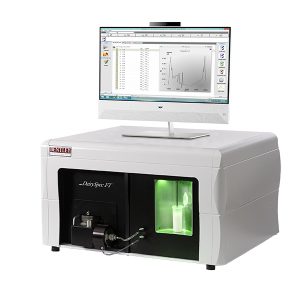 Rapid and accurate determination of milk products chemical composition Semi-automatic and automatic versions from 100 up to 300 samples/hour The DairySpec FT uses FTIR spectroscopy for extremely accurate and reliable milk and dairy products chemical composition determination. Analysing up to 64 parameters simultaneously, the DairySpec FT is the optimal solution for the quality control of raw and processed materials. It gives access to the very fine analysis of milk and dairy products chemical composition (fat, proteins, casein, lactose, solids, urea, citric acid, fatty acids profil, FPD). Highly reliable and accurate for milk (raw, UHT, ...) and dairy products (cream, whey, permeate, retentate, ...) analysis. Adaptable to measure other products and parameters upon request. The spectra are standardised in real time to optimise calibrations transferability, stability and qualitative analysis (adulteration). Direct access to spectra for the development of new calibrations. 3M™ Clean-Trace™ Surface ATP UXL100 3M™ Clean-Trace™ Water Plus - Total ATP AQT200 3M™ Clean-Trace™ Water - Free ATP AQF100
 -
 Simultaneous Somatic Cell and Component Analysis Automatic versions from 100 up to 300 samples/hour System that combines the DairySpec FT for component analysis and the SomaCount FC for Somatic Cell Counting. The combination of these two flagship methods provides a complete overview of milk chemical and hygienic composition by analysing up to 64 parameters simultaneously. Different versions of DairySpec Combi are available (100, 150, 200, 250, 300) up to a maximum speed of 300 samples/hour. The sampling, sequencing and identification of the sample vials are functions performed by the Autosampler. Compatible with the ILAS 3000 ROBOT: Automation System for Milk Analysers
 -

 Drug Discovery with Biolog Technologies BiOLOG’s Phenotype MicroArray™ Technology for Microbial and Mammalian Cells, and new MitoPlate™ assays are used by pharmaceutical companies, biotech’s and academic institutions to assist with new drug target identification and drug re-purposing, and any applications in the process of developing solutions for the treatment and curing of disease. Benefits of Phenotype MicroArrays in Drug Discovery:
- Complement DNA microarrays. DNA microarrays allow scientists to measure the expression of thousands of genes of a cell under one growth condition, whereas Phenotype MicroArrays allow scientists to measure the effect of one gene in the cell under thousands of growth conditions.
- Provide rapid answers to critical questions about cellular properties in a simple, rapid, efficient, and cost- effective process.
- Provide rapid answers to how a gene of unknown function affects a cell at a physiological level.
- Provide cell-to-cell comparisons to find novel drug targets based on in vivo physiological differences.
- Provide a means to assay the effect of a drug on thousands of cellular targets under thousands of physiological states of the cell.
- Provide rapid answers to questions about how a new lead affects a cell at a biochemical level.
- Provide information on how new drug leads compare to and interact with existing drugs.
- Reduce the time and cost of slow and cumbersome animal, plant, or human studies in late development.
- Eliminate unproductive leads and projects, saving substantial R&D budget dollars that would be wasted in later development.
-

 Separation of whole blood - two bag systems simultaneously on one device The Dualpress from LMB is a high quality device for whole blood separation. 6 Bag sensors on each side guarantee stable buffy coat level during separation. Touchscreen with easy menu navigation.
 -

 Examine environmental community diversity with Biolog EcoPlates™ Biolog EcoPlates provide a sensitive and reliable index of environmental change. This approach, called community-level physiological profiling (CLPP), is effective at distinguishing spatial and temporal changes in the metabolism of microbial communities. Microbial communities provide useful information about environmental change. Microorganisms are present in virtually all environments and are typically the first organisms to react to chemical and physical changes in the environment. Changes in microbial communities are often a precursor to changes in the health and viability of the environment as a whole. 31 carbon assays in triplicate EcoPlates contain 3 repeated sets of 31 carbon sources and employ a tetrazolium redox dye as an indicator of microbial metabolism. As microbes utilise the carbon sources they respire and the tetrazolium reporter dye is reduced to form a visible purple colour. Communities of microorganisms will exhibit a characteristic reaction pattern, a metabolic fingerprint, that reflects the metabolic properties of the community.
- Measure the metabolism of 31 carbon sources per assay
- Each assay panel tests in triplicate
- Simple colorimetric readout
- Readable with any microplate reader
-

 Introducing EMMA from Microtechnix EMMA is developed to digitise your Pharmaceutical Microbiology QC workflow. The (patent-pending) optical system captures 100% representative images for downstream analysis assisted by vision AI. This unique optical acquisition system allows to digitize your documentation process to ensure full data integrity. EMMA is a fully integrated system: including camera, built-in barcode reader and operating system.
 -
 Introducing EMMA HT from Microtechnix EMMA HT can standardise and fully automate your Microbiological Environmental Monitoring. The (patent-pending) optics system captures ultra-precise images and uses artificial intelligence to analyse your samples. Perfect for environmental monitoring assays. This unique optical acquisition system allows to acquire high resolution image of 100% of the plate surface, including the wall (meniscus) of the Petri dish, and standardise your documentation process to ensure 100% data integrity. EMMA HT is a fully integrated system: including 2 EMMA devices, barcode reader, computer and the robot.
 -
 Introducing EMMA RL from Microtechnix EMMA RL provides a comprehensive solution to digitise & automate your pharmaceutical microbiology QC. The (patent-pending) optical system captures ultra-precise images and uses vision AI to analyse your data. This unique optical system allows to acquire 100% of the Petri dish content, including the wall & meniscus of the Petri dish. This allows the detection of any colony on the Petri Dishes, ensuring zero false negatives. This solution is fully integrated and automated.
 -

 Hands-on training & performance verification improves pathogen detection. Data collected from environmental sampling of surfaces is highly dependent on the operator. Understanding and quantitatively characterising the percent recovery and consistency of sample collection by an operator drives improved detection and prevention of pathogens. Performance verification involves determining the percent recovery and consistency of an operator who collects samples in an environmental sampling program. Introducing Enverify™, a quantitative positive control for environmental sampling programs and comprises a flat substrate with a specific quantity of viable microorganisms coated on the surface. The microbes are safe-to-handle and are coated across a 10 cm x 10 cm area. Enverify™ provides a standardised tool for hands-on training and performance verification of operators that collect samples in environmental sampling programs. Enverify™ is compatible with contact plates, swab sampling devices, and sponge sample devices. Activities Involving Environmental Sampling:
- Environmental monitoring for pathogens or indicator organisms
- Sanitation verification using ATP or indicator organisms
- Verification of hygienic restoration following adverse events
- Verification of containment during construction activities
-
 Microbial-coated test surfaces for evaluating surface sampling competency Qualification of personnel who collect surface samples is a regulatory requirement and a crucial activity for an effective environmental monitoring program. Personnel sampling performance, including percent recovery, consistency, and aseptic technique, drives the quality of data that is generated and significantly impacts the integrity of an environmental monitoring program. Introducing Enverify™, the industry standard for evaluating surface sampling competency. Enverify™ Test Surfaces, from Stratix Labs, are the first standardised tool that enables you to evaluate and document surface sampling competency with quantitative data. Each Enverify™ Test Surface contains a precise quantity of microorganisms, providing a benchmark for you to evaluate, verify, and compare performance. Enverify™ is designed for use with contact plates and swab sampling tools.
 -

 Internal Quality Control Software from Technopath Manufacturing Ltd. IAMQC Daily is a comprehensive Internal Quality Control software that applies Westgard and/or any user-defined QC rules to individual QC results. The software automatically builds interactive Levey-Jennings charts and tables and provides summary and detailed customised reports to the end user. IAMQC Daily integrates with Microsoft Excel to produce customised electronic reports. The system also allows the import of pre-defined templates, resulting in instant system setups. Users can create audit trails, action logs and summary reports at the click of a button. IAMQC Daily comprises a centralised program that facilitates the analysis of multiple QC materials, across numerous departments in a laboratory setting. The system can also be integrated with IAMQC Peer to satisfy both Internal and External QC requirements. IAMQC Daily offers a centralised review of all QC data from all laboratories/instruments. Central administrator access facilitates managers to review QC performance at multiple facilities – no need to visit each laboratory site. Closer monitoring of QC from remote locations without additional costs provides a flexible option for managing the inter and intra-lab performance. The software works on an ‘open’ platform that allows the end user to add all types of control material from a range of laboratories. Both IAMQC Daily and Expert can run using an internet OR intranet connection. Each PC license allows the user to manage an unlimited number of departments, control materials (not limited to Technopath materials) and instruments. An unlimited number of user logins can be added to the system at any stage. An administrator module can also manage user logins, customising the functionality that is available to each user. All data can also be filtered using the same logic to apply a user-friendly atmosphere and save time scrolling through data.
 -
 Select QC Rules and make meaningful QC decisions IAMQC Expert, from Technopath Manufacturing Ltd, is an interactive system that helps front line laboratory staff select QC rules, reduce unnecessary repeats and make meaningful QC decisions. IAMQC Expert allows the end-user to monitor method performance relative to clinical requirements and focus on the tests that require their attention. Times and technologies are changing rapidly. Instruments and methodologies are more accurate, precise and stable than they were a decade ago. Most laboratories have adopted these new technical advances, but few have modified their QC processes to match. Many laboratories are still using a 1-2s rule as recommended by Levey and Jennings in 1951. Technopath Manufacturing Ltd have designed a QC system that will alert users to significant changes and not generate QC flags when the system is operating safely within acceptable limits. The system compares method performance to defined quality requirements (rather than to last month’s data) and recommends QC strategies that will warn users when QC data points exceed acceptable performance - with a minimal number of false flags. In the design of our QC system we “balance” the quality control system to meet the changing performance and stability of the analytical system.
 -
 Innovative, real-time, Peer Comparison Software from Technopath Manufacturing Ltd. The web based system facilitates laboratories testing the same lot number of control material to access valuable information from their colleagues through peer comparison. The reports that are generated in IAMQC Peer compare the accuracy and precision of analytical processes between laboratories and peer groups. This information can be extremely valuable, indicating the user’s performance relative to their peer group and also providing powerful troubleshooting tools when attempting to resolve potential problems. To participate in IAMQC Peer, each individual laboratory submits their individual results or summary statistics (mean, standard deviation, and number of data points) to the central database maintained by Technopath Manufacturing Ltd. Laboratories data may be submitted manually on-line or, alternatively, captured by one of our many interfacing options. The information provided by IAMQC Peer can be used on a monthly basis to evaluate how well lab’s methods are operating, relative to the overall peer group. Users can also look at this peer data in real-time, interactive, tables online, when they are investigating a potential problem with accuracy or precision for an individual method.
 -
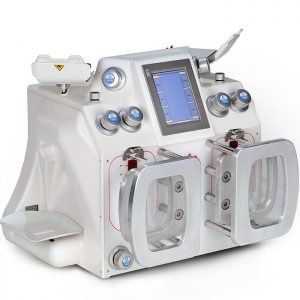 Completely adaptable system for all applications The LUXOmatic from LMB is a premium blood separator for blood products of the highest quality. The dual press system allows for blood separation in two places at the same time.
- Quick blood separation bags and high recovery of thrombocytes
- Precise treatment of all Top/Top and Top/Bottom processes
- CRYO application
- Thrombocytes from Buffy Coat and PRP
- Adaptive optical sensor system for best possible distinction between red cells, thrombocytes and plasma
- Precise and durable mechanical system
-
 Space saver and adaptable system for individual applications The LUXOmatic V2 from LMB is a premium blood separator with motor driven plates, touch screen and integrated bar code scanner.
- Sophisticated motor driven blood separator
- Two independent separation places in one device – Saves working space, time and provides best economic benefit
- High quality of separated blood products
- Heavy duty industrial scale separations
- Paediatric bags extraction possibility
- Ergonomic design
-
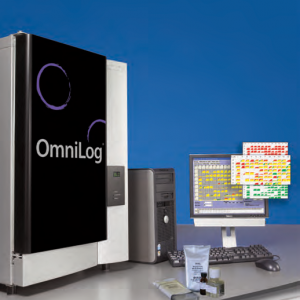 Phenotype MicroArrays for Mammalian Cells Using Biolog’s Phenotype MicroArray™ Technology, any type of cell can be characterised for metabolically related phenotypes in over 1,000 assays in a simple, rapid, and cost-effective manner. By measuring a cell’s metabolic activity, including responses to a genetic alteration or chemical stimuli, this integrated system of cellular assays, instrumentation, and bioinformatic software reveals unique and insightful information on metabolic pathway activities, and cellular sensitivity to nutrients, hormones, cytokines, anti-cancer agents, and ions. By measuring energy output of cells, the technology also provides new assays for understanding mitochondrial function and toxicity. Phenotype MicroArrays enable insight and discovery to expedite scientific publications. This is accomplished using 96 well microplates, pre-loaded with hundreds of KEGG pathway-matched metabolic substrates, and metabolic effectors. Phenotype MicroArrays are a proven method of cellular screening that is beneficial in a wide range of research applications:
- Genotype/phenotype studies
- Cell line characterisation and QC
- Cellular metabolism, metabolic disorders, nutrition
- Cell energetics growth and death
- Hormone effects on cells
- Metabolic reprogramming in cancer, Warburg effect, anti-cancer drug sensitivity
- Mitochondrial toxicology in chemical/drug screens
- Stem cells and differentiation
- Cell line and bio process development
-
 Analysing Mitochondria at Higher Resolution with MitoPlate™ Technology Analysing Mitochondria at higher resolution with Biolog Technology MitoPlates™ provide a powerful new research tool by allowing scientists to run preconfigured sets of 96 mitochondrial function assays in one experiment. Mitochondria can be interrogated and characterised in novel ways, looking at rates of substrate metabolism, sensitivity to drugs and other chemicals, and effects of mutations in mitochondria-related genes. Assay Principle Mitochondrial function is assayed by measuring the rates of electron flow into and through the electron transport chain from metabolic substrates that produce NAD(P)H or FADH2 such as L-malate, succinate, pyruvate, etc. Each substrate follows a different route, using different transporters to enter the mitochondria and different dehydrogenases to produce NAD(P)H or FADH2, The electrons travel from the beginning (complex 1 or 2) to the distal portion of the electron transport chain where a tetrazolium redox dye (MC) acts as a terminal electron acceptor that turns purple upon reduction. Additional MitoPlate assays probe the sensitivity of the mitochondria to a set of 22 diverse inhibitors. Investigate how mitochondria change with:
- Cell differentiation
- Cancer & Aging
- Neurological disorders
- Metabolic disorders
- Immune cell activation
- Bacterial/viral infection
- Inborn genetic defects
-
Phenotype MicroArrays for Microbial Cells Biolog's Phenotype MicroArray™ Technology enables researchers to characterise cells in up to 1,920 assays and evaluate cell changes under thousands of culture conditions and physiological states in a simple, rapid, efficient and cost-effective manner. By measuring a cell’s response to a genetic or environmental alteration, this integrated system of cellular assays, instrumentation, and bioinformatics software reveals invaluable information to speed insight and discovery and expedite scientific publication. Phenotype MicroArrays (PMs) have broad applicability for genotype-phenotype characterisation as well as for determining optimal conditions for cellular growth, sporulation and germination, production of secondary metabolites, or enzymatic activities in cell lines. Phenotype MicroArrays are a proven method of cellular screening that is extremely beneficial in a wide range of research applications:
- Discovering effects of loss or gain of gene function.
- Measuring/documenting changes in cell metabolism over time or under different environmental conditions.
- Improvement and QC of phenotypic stability of cell lines.
- Improved efficacy in the production of compounds in biological fermentation processes.
- Evaluation of new drug/antibiotic candidates in toxicological profiling and mode of action studies.
-

 Test gram negative and gram positive bacteria in the same test panel TECHNOPATH partners with Biolog for rapid and accurate identification of over 2,900 species of aerobic and anaerobic Bacteria, Yeasts, and Fungi using the Biolog Gen III Identification Phenotypic technology. Biolog’s advanced phenotypic technology provides valuable information on the properties of strains, in addition to a species-level identification. Molecular methods such as 16s sequencing and MALDI-TOF provide no information about the properties of the strain. Biolog’s carbon source utilisation technology identifies environmental and pathogenic microorganisms by producing a characteristic pattern or “metabolic fingerprint” from discrete test reactions performed within a 96 well microplate. Culture suspensions are tested with a panel of pre-selected assays, then incubated, read and compared to our extensive databases.
- No Gram Stain
- No pre-tests
- No follow-on tests
- One panel for both Gram Negative & Gram Positive bacteria
- One minute set-up
- Over 1350 species coverage
-
Test gram negative and gram positive bacteria in the same test panel Rapidly and accurately identify over 2,900 species of aerobic and anaerobic Bacteria, Yeasts, and Fungi using the Biolog Gen III Identification Phenotypic technology. Biolog’s advanced phenotypic technology provides valuable information on the properties of strains, in addition to a species-level identification. Molecular methods such as 16s sequencing and MALDI-TOF provide no information about the properties of the strain. Biolog’s carbon source utilisation technology identifies environmental and pathogenic microorganisms by producing a characteristic pattern or “metabolic fingerprint” from discrete test reactions performed within a 96 well microplate. Culture suspensions are tested with a panel of pre-selected assays, then incubated, read and compared to our extensive databases.
- No Gram Stain
- No pre-tests
- No follow-on tests
- One panel for both Gram Negative & Gram Positive bacteria
- One minute set-up
- Over 1350 species coverage
-
Test gram negative and gram positive bacteria in the same test panel Rapidly and accurately identify over 2,900 species of aerobic and anaerobic Bacteria, Yeasts, and Fungi using the Biolog Gen III Identification Phenotypic technology. Biolog’s advanced phenotypic technology provides valuable information on the properties of strains, in addition to a species-level identification. Molecular methods such as 16s sequencing and MALDI-TOF provide no information about the properties of the strain. Biolog’s carbon source utilisation technology identifies environmental and pathogenic microorganisms by producing a characteristic pattern or “metabolic fingerprint” from discrete test reactions performed within a 96 well microplate. Culture suspensions are tested with a panel of pre-selected assays, then incubated, read and compared to our extensive databases.
- No Gram Stain
- No pre-tests
- No follow-on tests
- One panel for both Gram Negative & Gram Positive bacteria
- One minute set-up
- Over 1350 species coverage
-

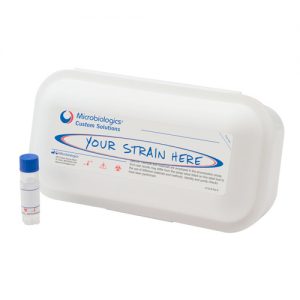 Microbial Controls made from your Environmental Isolates Tracking and trending environmental microbial isolates is a growing concern for pharmaceutical, nutraceutical, medical device, personal care product and food manufacturing laboratories. Microbiologics offers a comprehensive program for environmental isolate management. Our team of experts will identify, characterise, preserve and manufacture your strain into a test-ready control format for ongoing QC. Partner with TECHNOPATH and Microbiologics to reduce cost, minimize risk and increase confidence in your environmental monitoring program. Applications & Test Methods
- Antimicrobial Effectiveness Testing - USP <51>
- Aseptic Processing Environment - USP <1116>
- Disinfectant Qualification - USP <116>
- Growth Promotion Testing - USP <61>, <62>, <71>
- Suitability Testing - USP <51>, <61>, <62>, <71>
- Validation of Neutralisation Methods - USP <1227>
- Water for Pharmaceutical Purposes - USP <1231>
-
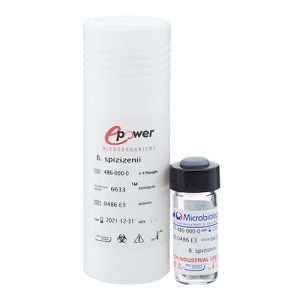 Quantitative QC Microorganisms One powerful solution – Many testing applications. Epower, from Microbiologics®, is the embodiment of “flexibility is your friend”. You’ll love the versatility of simply using one product for all of your QC needs – from media QC and presence/absence testing to enumeration testing, water testing, and disinfectant testing. Use a single strain or combine multiple strains for a mixed population. Each quantitative microorganism pellet delivers a specific range of CFU, so you can easily manipulate Epower to deliver virtually any concentration. We know you’ll appreciate the ease and adaptability that Epower offers. Applications & Test Methods
- Microbial detection
- Enumeration
- Verification/validation
- Equipment calibration
- Method validation
- Disinfectant qualification
- Water tests
- Proficiency tests
- Mixed microorganism population challenge
-
 Certified Reference Material The ultimate in authenticity. Epower CRM quantitative quality control microorganisms, from Microbiologics®, are just one passage from the reference strain. If your lab is ISO 17025 accredited, Epower CRM can help you meet the requirements of Section 5.6.3.2 regarding reference materials. This product offers plenty of flexibility, which is a huge benefit in the lab. Each microorganism pellet has a pre-determined range of CFUs, so you can easily manipulate the product to deliver your desired concentration. You can also create a mixed microorganism population by combining multiple Epower CRM strains. As a Certified Reference Material, Epower CRM comes with a comprehensive Certificate of Analysis detailing the strains identity, characteristics and standard deviation. Applications & Test Methods
- ISO 17025 laboratories requiring CRM
- Detection and enumeration methods
- Verification/Validation
- Bioburden determination
- Minimal lethal concentration
- Disinfectant qualification
- Water tests
- Proficiency tests
- Methods requiring a specific CFU range
- Mixed microorganism population challenge
-
 Growth Promotion Testing EZ-Accu Shot, from Microbiologics®, provides a fast, convenient and reliable solution for Growth Promotion Testing, Media Challenge Testing and more. Each instant-dissolve microorganism pellet is designed to deliver 10-100 CFU per inoculum and provides 8 hours of stability after rehydration, so you can meet Pharmacopeia guidelines with ease. Applications & Test Methods
- Growth Promotion Testing
- Media Challenge Testing
- Suitability of Counting Methods
- Suitability of Sterility Tests
- Suitability of Tests for Specified Microorganisms
- Microbial Limits Testing
- Microbial Enumeration Testing
- Validation of Neutralization Methods
- Methods requiring a low CFU concentration
-
 Five compendial GPT strains, plus E. coli – all in one convenient kit EZ-Accu Shot Select, from Microbiologics®, contains the 5 compendial organisms for Growth Promotion Testing, plus E. coli for a total of 6 strains in one convenient kit. Perfect for qualifying EZ-Accu Shot for use in your laboratory, the EZ-Accu Shot Select kit contains one instant dissolve pellet of each of the 6 strains and 6 vials of hydration fluid. Each pellet delivers 10-100 CFU per inoculum with no serial dilutions and provided 8 hours of stability after rehydration for added flexibility to perform tests. EZ-Accu Shot Select strains are just 3 passages from the reference culture to meet Pharmacopeia standards. Strains Include:
- Staphylococcus aureus subsp. aureus derived from ATCC® 6538™*
- Pseudomonas aeruginosa derived from ATCC® 9027™*
- Bacillus subtilis subsp. spizizenii derived from ATCC® 6633™*
- Candida albicans derived from ATCC® 10231™*
- Aspergillus brasiliensis derived from ATCC® 16404™*
- Escherichia coli derived from ATCC® 8739™*
-
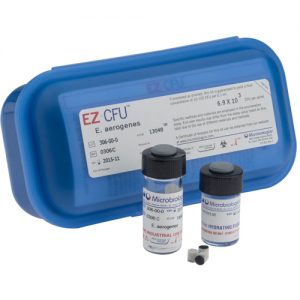 Economical Quantitative QC Microorganisms for Growth Promotion Testing EZ-CFU, from Microbiologics®, ready-to-use reference cultures for Growth Promotion Testing. Delivering 10-100 CFU per 0.1 ml inoculum, following a simple 1:10 dilution step, each microorganism suspension provides up to 90 tests. These handy kits allow for fast, reliable Growth Promotion Testing. Plus, EZ-CFU microorganisms are just three passages from the reference strains. All in all, EZ-CFU makes meeting Pharmacopeia standards for Growth Promotion Testing easier than ever. Applications & Test Methods
- Growth Promotion Testing
- Media Challenge Testing
- Suitability of Counting Methods
- Suitability of Sterility Tests
- Suitability of Tests for Specified Microorganisms
- Microbial Limits Testing
- Microbial Enumeration Testing
- Validation of Neutralisation Methods
- Methods requiring a low CFU concentration
-
 Ready-to-Use Quantitative QC Microorganisms for Growth Promotion Testing Introducing EZ-CFU One Step, from Microbiologics®. This product is designed specifically for Growth Promotion Testing, Suitability of Tests for Specified Microorganisms, Suitability of Counting Methods and more. These ready-to-use quantitative microorganisms are just 3 passages from the reference culture and deliver 10-100 CFU per inoculum, as required by the Pharmacopeias, with minimal prep time. Applications & Test Methods
- Growth Promotion Testing
- Media Challenge Testing
- Suitability of Counting Methods
- Suitability of Sterility Tests
- Suitability of Tests for Specified Microorganisms
- Microbial Limits Testing
- Microbial Enumeration Testing
- Validation of Neutralisation Methods
- Methods requiring a low CFU concentration
-
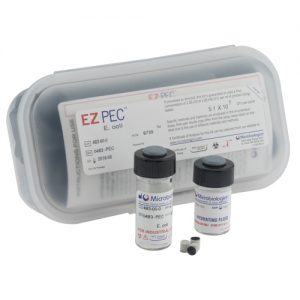 Ready-to-Use Microorganisms for Antimicrobial Effectiveness and Preservative Efficacy Challenge Testing Microbiologists are no strangers to the fact that safety and effectiveness are crucial elements of developing pharmaceutical and personal care products. The EZ-PEC™ quantitative microorganisms, from Microbiologics®, help laboratories conduct Antimicrobial Effectiveness and Preservative Efficacy testing with convenience and confidence. Following a few simple steps, EZ-PEC™ delivers a final concentration of 1.0 x 10⁵ to 1.0 x 10⁶ CFU per ml of the product being tested. It’s a simple solution that can save you time and resources while helping you meet Pharmacopeia and other standards and guidelines. Applications & Test Methods
- Antimicrobial Effectiveness Testing
- Preservative Efficacy Testing
- Applications requiring a high CFU concentration
-
 Quantitative spore-forming QC microorganisms for spoilage detection methods Introducing EZ-SPORE, from Microbiologics®. Spore-forming pathogens can present unique challenges for food laboratories that are conducting tests to detect these contaminants. That’s why food microbiology labs across the globe rely on EZ-SPORE quantitative microorganism preparations for validating their spoilage detection methods or for disinfectant qualification studies. EZ-SPORE preparations provide a concentration of 104 CFU per pellet, making microbiological challenge testing for spore-formers quicker and easier. Applications & Test Methods
- Daily food process controls
- Spoilage detection methods
- Disinfectant Qualification Studies
-
 Helping microbiologists spread culture since 1986 Introducing KWIK-STICK, from Microbiologics®. Laboratories throughout the world have been praising the KWIK-STIK for decades. That’s because its simple, all-inclusive design makes life easier for lab techs while reducing chances for errors. Each KWIK-STIK contains a qualitative lyophilised microorganism pellet, ampoule of hydrating fluid and inoculating swab. Everything you need to grow reference cultures for QC testing is included in this one handy device. Available in packs of 2 or 6, KWIK-STIKs are universally used for all types of microbiological control testing Applications & Test Methods
- Culture Purposes
Daily QC[/fusion_li_item]
- Verification and Validation
- QC of Identification Systems and Assay Kits
- QC of Antimicrobial Susceptibility Test
-
 Two passage reference cultures in our signature KWIK-STIK format Introducing KWIK-STICK Plus, from Microbiologics®. Some laboratory applications require strains that are a fewer passages from the original reference culture. For those special instances, we offer KWIK-STIK Plus, which combines microorganisms that are just two passages from their reference strains, with our signature KWIK-STIK format. Each device features a qualitative lyophilised microorganism pellet, ampoule of hydrating fluid and inoculating swab; so everything you need for growing control cultures is included in one handy device. Applications & Test Methods
- Antibiotic assays
- Instrument validations
- Validation of neutralization methods
- Water tests
- Disinfectant qualification
Call Us: +44 (0)28-30833808