

- Discovering effects of loss or gain of gene function.
- Measuring/documenting changes in cell metabolism over time or under different environmental conditions.
- Improvement and QC of phenotypic stability of cell lines.
- Improved efficacy in the production of compounds in biological fermentation processes.
- Evaluation of new drug/antibiotic candidates in toxicological profiling and mode of action studies.
-

 Phenotype MicroArrays for Microbial Cells Biolog's Phenotype MicroArray™ Technology enables researchers to characterise cells in up to 1,920 assays and evaluate cell changes under thousands of culture conditions and physiological states in a simple, rapid, efficient and cost-effective manner. By measuring a cell’s response to a genetic or environmental alteration, this integrated system of cellular assays, instrumentation, and bioinformatics software reveals invaluable information to speed insight and discovery and expedite scientific publication. Phenotype MicroArrays (PMs) have broad applicability for genotype-phenotype characterisation as well as for determining optimal conditions for cellular growth, sporulation and germination, production of secondary metabolites, or enzymatic activities in cell lines. Phenotype MicroArrays are a proven method of cellular screening that is extremely beneficial in a wide range of research applications:
 -

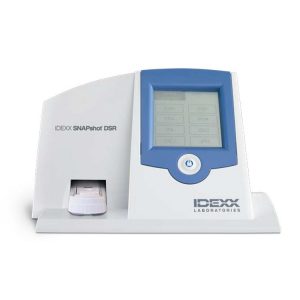 Quickly reads and displays test results Enter data quickly Touch-screen display with numeric data entry, or full alphanumeric data entry with SNAPconnect software or an attached keyboard. Get a clearer picture Upgraded vision system and display make results easy to read. Choose your language Use the SNAPshot DSR display in any of these languages: English, French, German, Spanish, Italian, Portuguese, Chinese, Japanese
 -
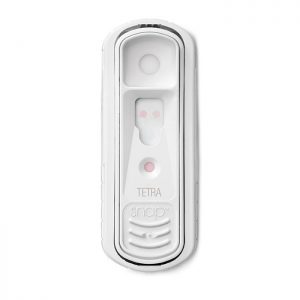 The following additional IDEXX SNAP Tests are available and validated to detect residues in raw, commingled cow milk. SNAP Tetracycline Test Tetracycline is one of the most commonly used antibiotics—make sure your milk is within residue limits. SNAP Gentamicin Test Ensures that residues from this common mastitis antibiotic are within regulatory limits. SNAP Aflatoxin M1 Test AFM1 is a potent carcinogen that can enter the milk supply if cows consume contaminated feed. SNAP Sulfamethazine Test Detects sulfamethazine residues at or below the safe/tolerance level. A heater block is used during the heat/incubation step.
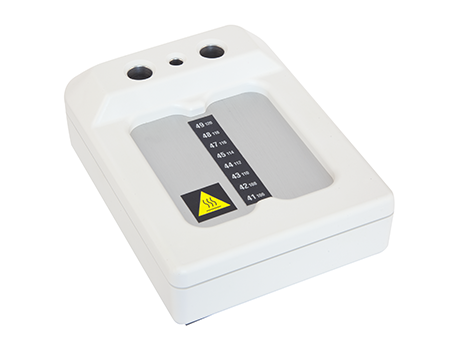 Description: Use with all IDEXX SNAP tests that include a heat/incubation step.
Ensures correct, even temperatures for reliable, consistent results.
May be used in conjunction with the SNAPshot DSR Reader to read and display test results.
Description: Use with all IDEXX SNAP tests that include a heat/incubation step.
Ensures correct, even temperatures for reliable, consistent results.
May be used in conjunction with the SNAPshot DSR Reader to read and display test results. -

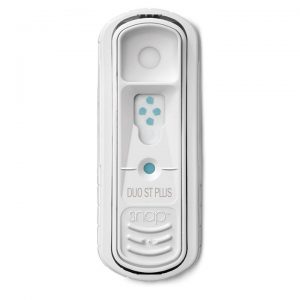 Detects more beta-lactam and tetracycline residues including cephalexin at or below established maximum residue limits.
- Test cold milk right from the truck, refrigerator or bulk tank
- Robust and flexible
- Cow, Goat, Sheep, Mare, Buffalo, Camel
- Variety of milk types (Normal, UHT, Sterilised, reconstituted milk powder, thawed, skimmed)
- Read results after 6 minutes
- ILVO validated
- Lowest rate of false positives
Description: Use with all IDEXX SNAP tests that include a heat/incubation step.
Ensures correct, even temperatures for reliable, consistent results.
May be used in conjunction with the SNAPshot DSR Reader to read and display test results. -
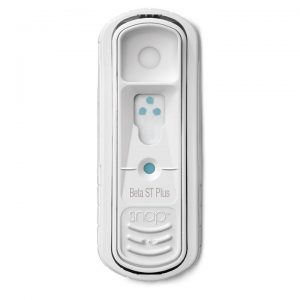 Detects more beta-lactam residues including cephalexin at or below established maximum residue limits.
- Test cold milk right from the truck, refrigerator or bulk tank
- Robust and flexible
- Cow, Goat, Sheep, Mare, Buffalo, Camel
- Variety of milk types (Normal, UHT, Sterilised, reconstituted milk powder, thawed, skimmed)
- Read results after 6 minutes
- ILVO validated
- Lowest rate of false positives
-

 The foodproof® detection and quantification kits developed and produced by BIOTECON Diagnostics allow fast, simple and reliable detection of pathogens, spoilage organisms, allergens, genetically modified plants and viruses in a variety of samples, such as fruit juices, beer, chocolate, baby food, spices or meat. Our analyses are based on real-time PCR, a simple and proven solution for the reliable detection of genetic information (nucleic acids). The high quality of our foodproof® products has repeatedly been validated and confirmed by independent institutes such as AOAC, NordVal and MicroVal.
- Fast – Detection by real-time PCR in a few hours
- Easy – Simple implementation and user-friendly handling
- Specific – Accurate results for target organisms
- Sensitive – Safe detection of even the smallest quantities
- Safe – Validated systems, confirmation of results with included controls
-
A pathogen is a synonym for a disease-causing microorganism. Food pathogens represent a special form of microbial pathogens, which are picked up and spread through food. Below a number of pathogens are listed, for which BIOTECON Diagnostics offers suitable foodproof® DNA extraction and real-time PCR detection kits. Many of the pathogen kits have been certified by recognized institutions such as AOAC-RI, MicroVal or NordVal (see licensing options / validations), and thus independently tested for quality and safety.
-
Spoilage describes the process of natural food decay, which includes a significant decline in quality (color, consistency, smell, and taste) but without causing illness. Causes of food spoilage include decomposition processes caused by bacteria and fungi. Possible unwanted metabolites produced include organic acids, alcohols, ketones, amino acids and ammonia.
-
Foodborne viruses can cause various, sometimes serious conditions. Contamination of food and bottled water is usually through infected persons or contaminated waste water. Viruses can not reproduce on food or in water, but small amounts of residing viruses may be sufficient to cause infection. The standard method for virus detection in food and water samples is PCR. BIOTECON Diagnostics offers a Hepatitis A virus kit, a norovirus real-time PCR kit and a new multiplex system for both virus particles specifically for the investigation of food. All kits contain a ready-to-use Process Control solution. With each sample you can detect a Process Control (MS2-phage in our case).
-
Genetically modified crops cover over 10% of global agricultural land. More than one hundred different genetically modified plants are grown on over 160 million hectares in more than 29 countries. The main producing countries are the USA, Brazil, Argentina, Canada and India. Soybeans are the most highly cultivated genetically modified plant, followed by corn, cotton and canola. According to EU Regulation 1829/2003 and 1830/2003, GMO content of more than 0.9% in foods and ingredients must be labeled. Other countries and regions have similar rules with similar limits. For reliable analysis of GMOs in food and animal feed, BIOTECON Diagnostics offers a broad range of solutions.
-
Allergens in food can cause serious, life-threatening symptoms, even in small quantities in sensitive individuals. Thus, safe detection of even the smallest traces of an allergen in a final product is important for quality assurance in the food industry.There are 14 food ingredients responsible for 90% of all food allergies. Following EU Directive 2007/68/EC or 2000/13/EC, they must be reported on the package label when present in a product. In some countries limits exist, such as in Switzerland, where it is 1,000 ppm. For the detection of major food allergens, BIOTECON Diagnostics offers real-time PCR kits. When used in combination with the Allergen RM 800 reference material, quantification is also possible.
-
The foodproof® Animal Identification Kits detect specific animal species in food by real-time PCR. They enable the identification and differentiation of swine, cattle, sheep, horse, donkey, chicken and goat in food, such as raw and heated meat, animal feed and animal products. Animal species detection in food protects product purity. It also controls against fraud through verification of the animal species used in meat products.