

- Growth Promotion Testing
- Media Challenge Testing
- Suitability of Counting Methods
- Suitability of Sterility Tests
- Suitability of Tests for Specified Microorganisms
- Microbial Limits Testing
- Microbial Enumeration Testing
- Validation of Neutralization Methods
- Methods requiring a low CFU concentration
-

 Growth Promotion Testing EZ-Accu Shot, from Microbiologics®, provides a fast, convenient and reliable solution for Growth Promotion Testing, Media Challenge Testing and more. Each instant-dissolve microorganism pellet is designed to deliver 10-100 CFU per inoculum and provides 8 hours of stability after rehydration, so you can meet Pharmacopeia guidelines with ease. Applications & Test Methods
 -
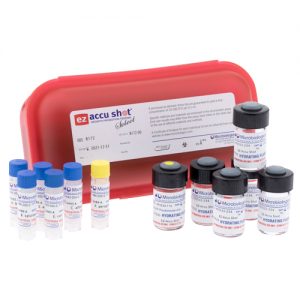 Five compendial GPT strains, plus E. coli – all in one convenient kit EZ-Accu Shot Select, from Microbiologics®, contains the 5 compendial organisms for Growth Promotion Testing, plus E. coli for a total of 6 strains in one convenient kit. Perfect for qualifying EZ-Accu Shot for use in your laboratory, the EZ-Accu Shot Select kit contains one instant dissolve pellet of each of the 6 strains and 6 vials of hydration fluid. Each pellet delivers 10-100 CFU per inoculum with no serial dilutions and provided 8 hours of stability after rehydration for added flexibility to perform tests. EZ-Accu Shot Select strains are just 3 passages from the reference culture to meet Pharmacopeia standards. Strains Include:
- Staphylococcus aureus subsp. aureus derived from ATCC® 6538™*
- Pseudomonas aeruginosa derived from ATCC® 9027™*
- Bacillus subtilis subsp. spizizenii derived from ATCC® 6633™*
- Candida albicans derived from ATCC® 10231™*
- Aspergillus brasiliensis derived from ATCC® 16404™*
- Escherichia coli derived from ATCC® 8739™*
-
 Economical Quantitative QC Microorganisms for Growth Promotion Testing EZ-CFU, from Microbiologics®, ready-to-use reference cultures for Growth Promotion Testing. Delivering 10-100 CFU per 0.1 ml inoculum, following a simple 1:10 dilution step, each microorganism suspension provides up to 90 tests. These handy kits allow for fast, reliable Growth Promotion Testing. Plus, EZ-CFU microorganisms are just three passages from the reference strains. All in all, EZ-CFU makes meeting Pharmacopeia standards for Growth Promotion Testing easier than ever. Applications & Test Methods
- Growth Promotion Testing
- Media Challenge Testing
- Suitability of Counting Methods
- Suitability of Sterility Tests
- Suitability of Tests for Specified Microorganisms
- Microbial Limits Testing
- Microbial Enumeration Testing
- Validation of Neutralisation Methods
- Methods requiring a low CFU concentration
-
 Ready-to-Use Quantitative QC Microorganisms for Growth Promotion Testing Introducing EZ-CFU One Step, from Microbiologics®. This product is designed specifically for Growth Promotion Testing, Suitability of Tests for Specified Microorganisms, Suitability of Counting Methods and more. These ready-to-use quantitative microorganisms are just 3 passages from the reference culture and deliver 10-100 CFU per inoculum, as required by the Pharmacopeias, with minimal prep time. Applications & Test Methods
- Growth Promotion Testing
- Media Challenge Testing
- Suitability of Counting Methods
- Suitability of Sterility Tests
- Suitability of Tests for Specified Microorganisms
- Microbial Limits Testing
- Microbial Enumeration Testing
- Validation of Neutralisation Methods
- Methods requiring a low CFU concentration
-
 Ready-to-Use Microorganisms for Antimicrobial Effectiveness and Preservative Efficacy Challenge Testing Microbiologists are no strangers to the fact that safety and effectiveness are crucial elements of developing pharmaceutical and personal care products. The EZ-PEC™ quantitative microorganisms, from Microbiologics®, help laboratories conduct Antimicrobial Effectiveness and Preservative Efficacy testing with convenience and confidence. Following a few simple steps, EZ-PEC™ delivers a final concentration of 1.0 x 10⁵ to 1.0 x 10⁶ CFU per ml of the product being tested. It’s a simple solution that can save you time and resources while helping you meet Pharmacopeia and other standards and guidelines. Applications & Test Methods
- Antimicrobial Effectiveness Testing
- Preservative Efficacy Testing
- Applications requiring a high CFU concentration
-
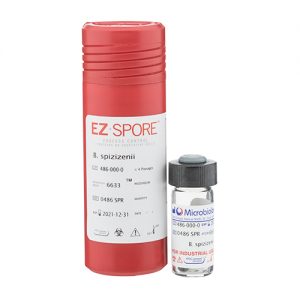 Quantitative spore-forming QC microorganisms for spoilage detection methods Introducing EZ-SPORE, from Microbiologics®. Spore-forming pathogens can present unique challenges for food laboratories that are conducting tests to detect these contaminants. That’s why food microbiology labs across the globe rely on EZ-SPORE quantitative microorganism preparations for validating their spoilage detection methods or for disinfectant qualification studies. EZ-SPORE preparations provide a concentration of 104 CFU per pellet, making microbiological challenge testing for spore-formers quicker and easier. Applications & Test Methods
- Daily food process controls
- Spoilage detection methods
- Disinfectant Qualification Studies
-
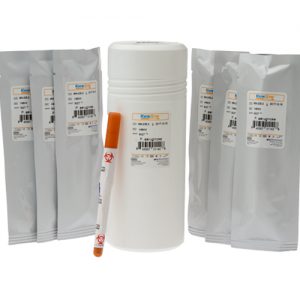 Helping microbiologists spread culture since 1986 Introducing KWIK-STICK, from Microbiologics®. Laboratories throughout the world have been praising the KWIK-STIK for decades. That’s because its simple, all-inclusive design makes life easier for lab techs while reducing chances for errors. Each KWIK-STIK contains a qualitative lyophilised microorganism pellet, ampoule of hydrating fluid and inoculating swab. Everything you need to grow reference cultures for QC testing is included in this one handy device. Available in packs of 2 or 6, KWIK-STIKs are universally used for all types of microbiological control testing Applications & Test Methods
- Culture Purposes
Daily QC[/fusion_li_item]
- Verification and Validation
- QC of Identification Systems and Assay Kits
- QC of Antimicrobial Susceptibility Test
-
 Two passage reference cultures in our signature KWIK-STIK format Introducing KWIK-STICK Plus, from Microbiologics®. Some laboratory applications require strains that are a fewer passages from the original reference culture. For those special instances, we offer KWIK-STIK Plus, which combines microorganisms that are just two passages from their reference strains, with our signature KWIK-STIK format. Each device features a qualitative lyophilised microorganism pellet, ampoule of hydrating fluid and inoculating swab; so everything you need for growing control cultures is included in one handy device. Applications & Test Methods
- Antibiotic assays
- Instrument validations
- Validation of neutralization methods
- Water tests
- Disinfectant qualification
-
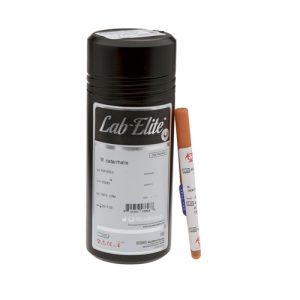 Qualitative control strains as Certified Reference Material for ISO 17025 accredited labs Increasing regulatory oversight in food, pharmaceutical and water industries has prompted many microbiology labs to seek accreditation to ISO 17025 standards. The Lab-Elite CRM, from Microbiologics®, is designed to help those labs meet the requirements of this standard which specify that “reference materials shall, where possible, be traceable to SI units of measurements, or to Certified Reference Materials (section 5.6.3.2)”. Lab-Elite CRM microorganisms are just one passage from the reference culture and are delivered in our signature KWIK-STIK format. As a Certified Reference Material, Lab-Elite comes with a comprehensive Certificate of Analysis detailing the strains identity and characteristics. Applications & Test Methods
- ISO 17025 laboratories requiring CRM
- Validation/verification of processes and instruments
- Presence/Absence
- Identification methods
-
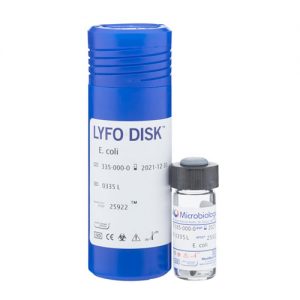 Qualitative control strains for QC testing It doesn’t get much easier than the LYFO-DISK from Microbiologics®. Simply rehydrate LYFO DISK qualitative microorganism pellets with a diluent, such as phosphate buffer or saline, and you’re ready to inoculate your culture media. LYFO DISK, packaged in a glass vial containing 6 pellets of a single strain, offers a ton of flexibility. It's an ideal solution for many quality control applications including presence/absence testing, microbial identification methods, antimicrobial susceptibility testing, media QC, water testing and more! Applications & Test Methods
- Culture Purposes
- Media and reagent QC
- QC of Antimicrobial Susceptibility Test
- QC of microbial identification including biochemical, PCR and rapid molecular methods
- Water tests (e.g. enzyme substrates)
- Disinfectant studies
- Verifications and Validations
- Proficiency tests
- Daily QC
-
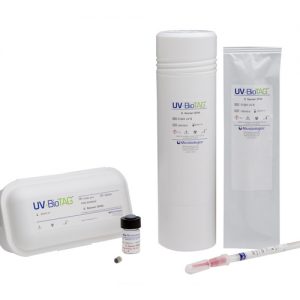 QC microorganisms with Green Fluorescent Protein (GFP) markers It’s not uncommon for food samples to inadvertently become contaminated with control strains used in the laboratory. This leads to false-positive results which can have severe financial and regulatory implications. UV-BioTAG, our line of reference strains containing green fluorescent protein (GFP) markers, make it easy to distinguish standard microorganism strains from laboratory control strains. Optimised for highly visible fluorescence, UV-BioTAG strains provide better stability because the GFP marker is integrated into the chromosome rather than the plasmid. With UV-BioTAG, you can quickly and reliably establish whether a positive test result can be traced back to a control strain cross-contamination issue, or if it is from another source. Applications & Test Methods
- Enumeration Methods
- Detection Methods
- Demonstration of Capability (DOC)
- Media QC
- Validation/Verification
-

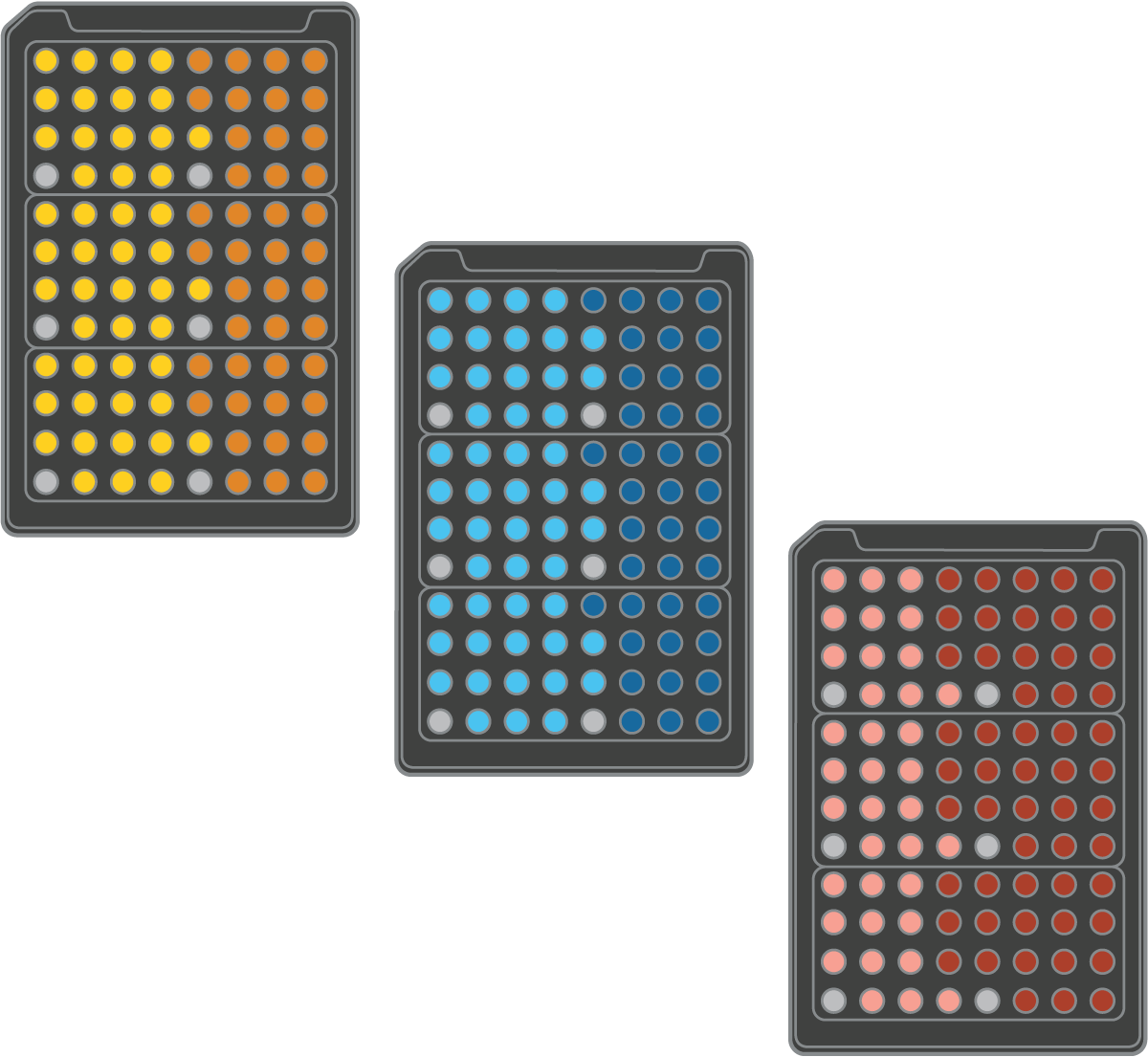 PreBioM™ Microplates Introducing The PreBioM™ line of microplates from Biolog. The microplates allow researchers studying human or animal gut microbiome communities to better understand metabolism of prebiotics. PreBioM plates offer a multidimensional phenotype profiling solution based on the impact of prebiotics on microbial function. The three-plate system contains 90 unique prebiotic substrates tailored to investigate the intricate interplay between prebiotics and the microbiome. These plates consist of a curated selection of prebiotic substrates of various molecular weights designed to characterise bacterial species and their metabolic pathways. The PreBioM plates, combined with the Biolog Odin family of instruments and software, provide a high throughput phenotypic solution compatible with a wide range of species, including the obligate anaerobes inhabiting the gut microbiome as well as microbial communities.